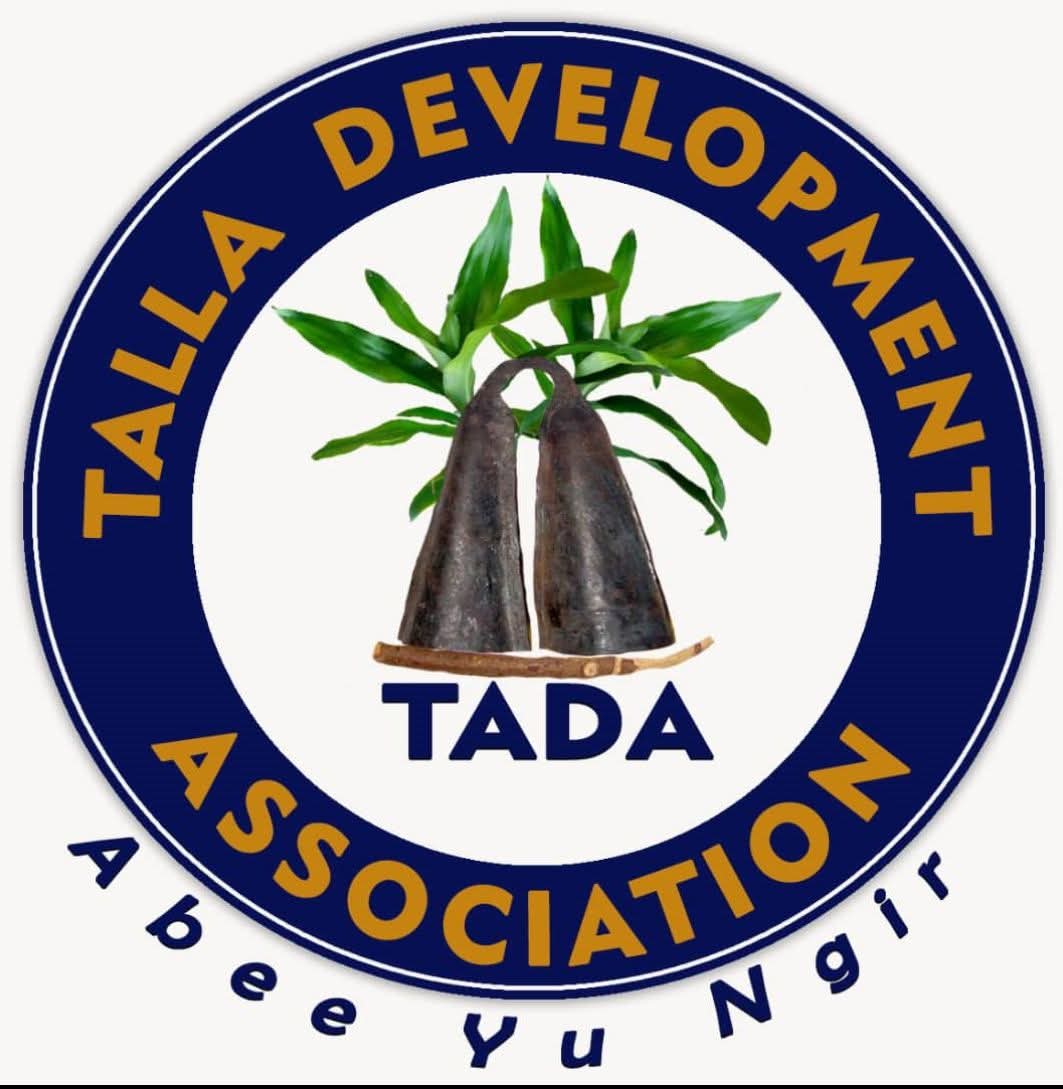
About TADA
Rooted in Talla. Looking forward together.
TADA is a non-governmental, non-political, non-profit-making and non-religious socio-cultural and development association formed by sons and daughters of Talla, operating both at home and abroad.
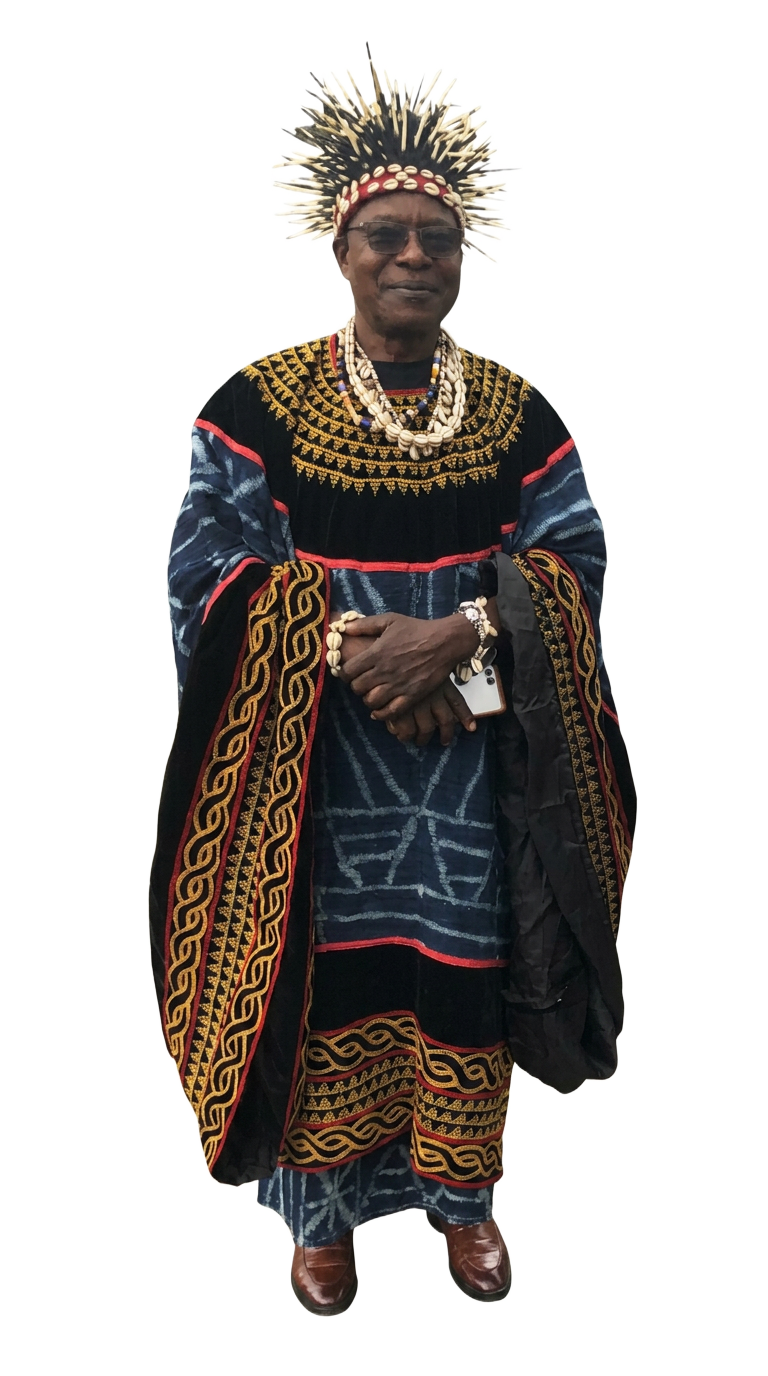
Traditional Leadership
His Royal Highness Fon Kamanda Charles Kimbi II
Taa Nfor Nkwi Talla, and Tang Clan Head
Enthroned on 6 June 2016 and pioneer President of the Wimbum Fon's Union (WIFU).
Our story
TADA was formed by sons and daughters of Talla who wanted a single, trusted forum for the village — a place where culture, learning and development could be planned together. From small gatherings under the village tree, it has grown into an active association with members at home and abroad.
Our vision
A Talla that is proud of its heritage, equipped with modern opportunity, and united in working for the wellbeing of every household.
Our mission
To preserve and celebrate the culture of Talla; to advance education, health and livelihoods; and to mobilise the village around projects that no single household could deliver alone.
Leadership
The Executive Committee.
Volunteers elected by the membership to steward TADA's work. Names and photos will be updated.
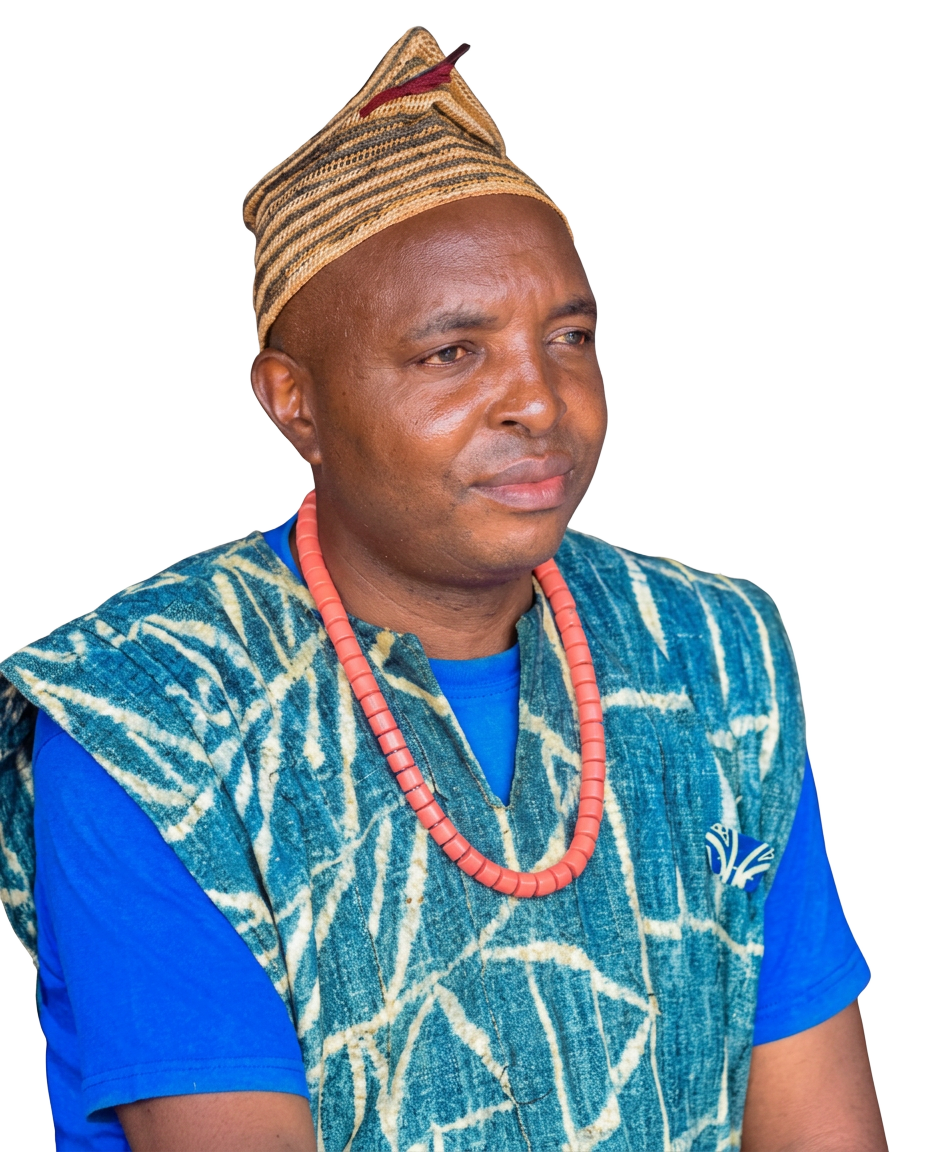
Taa Nformi Shey Ngabor George
General President
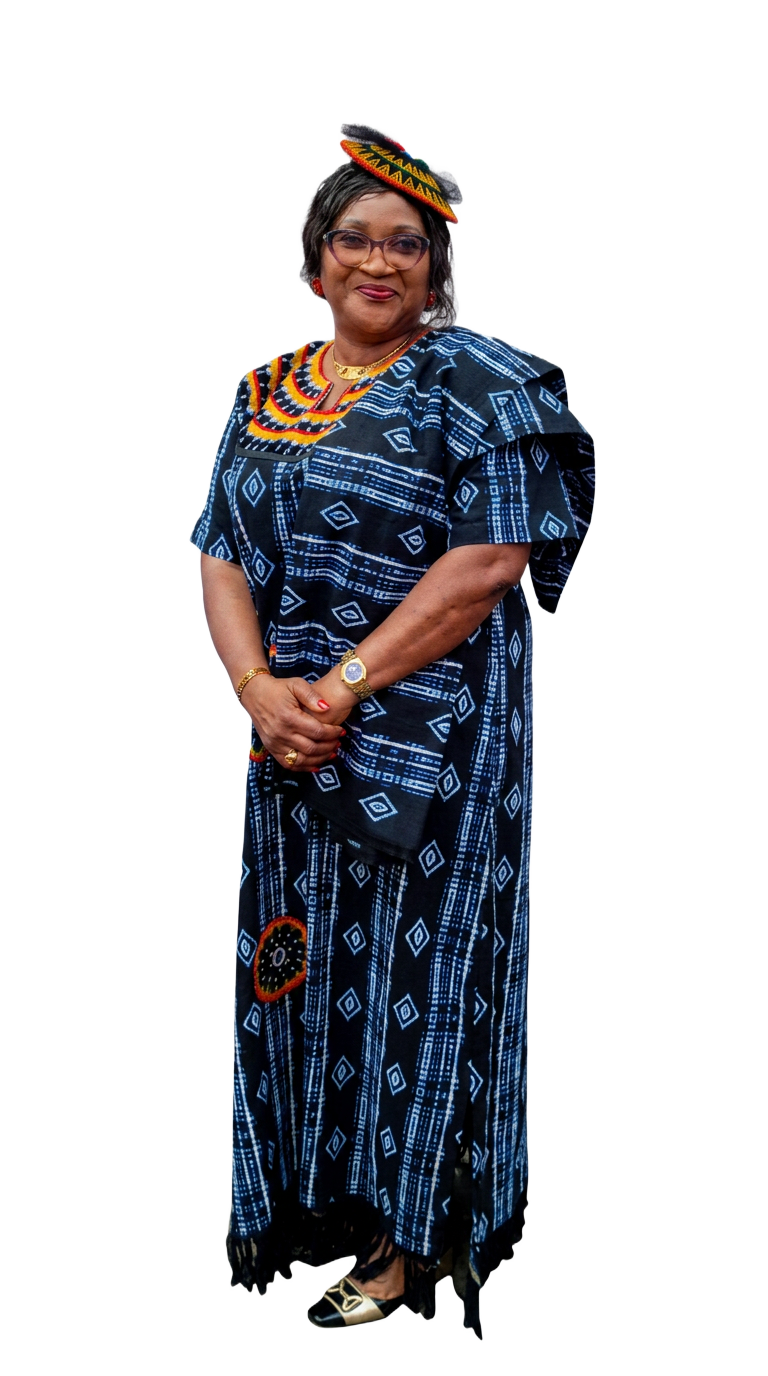
Mrs. Tata Sidonie Munde
Treasurer
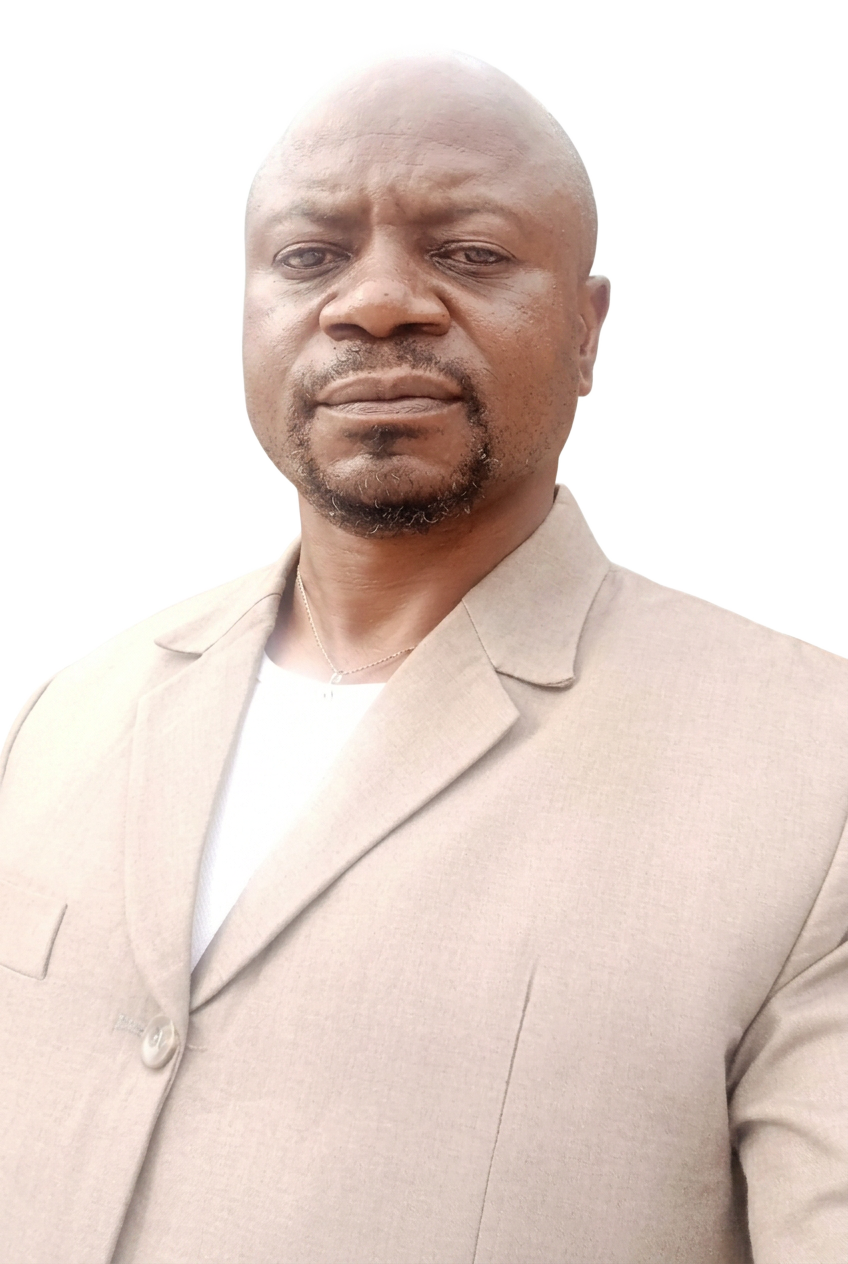
Mr. Budi Fidelis Nsalar
Vice President
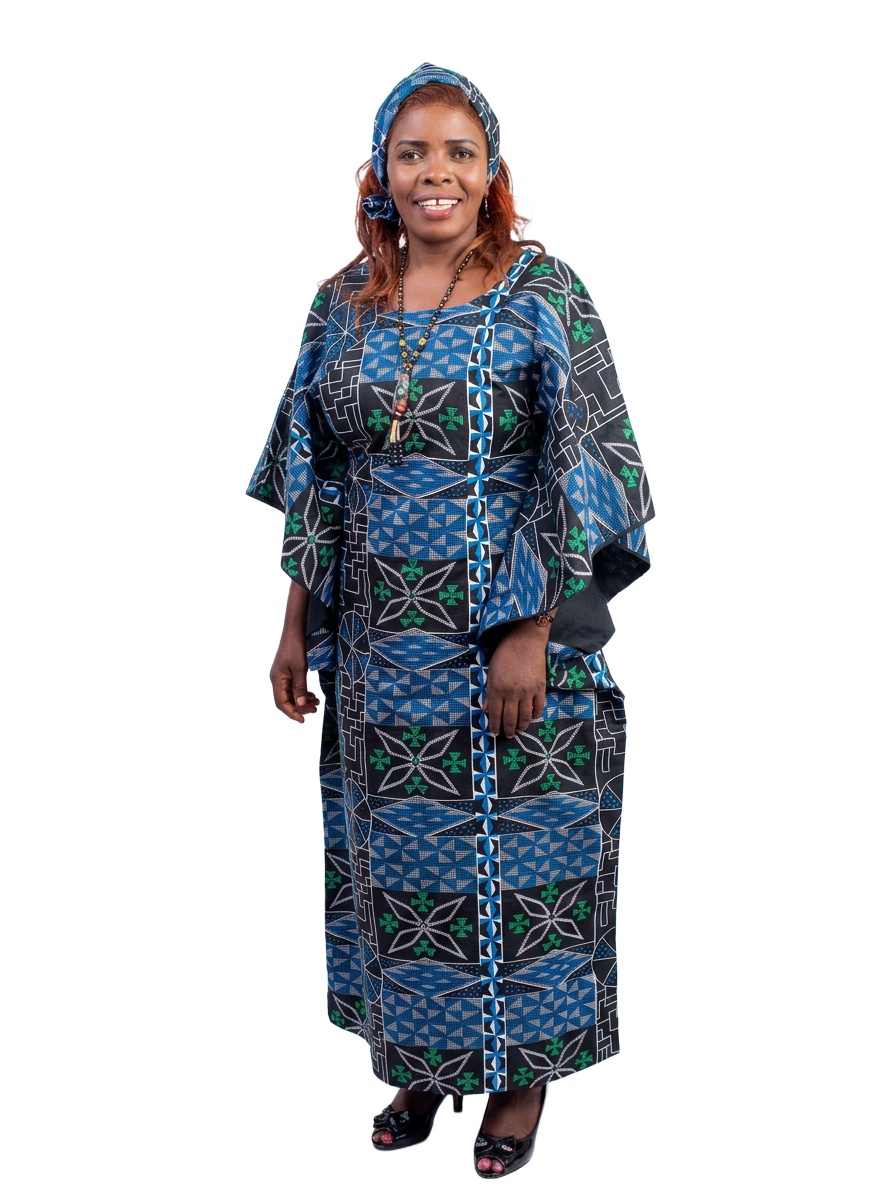
Mrs. Shey Delphine Ndfubu
Secretary General II
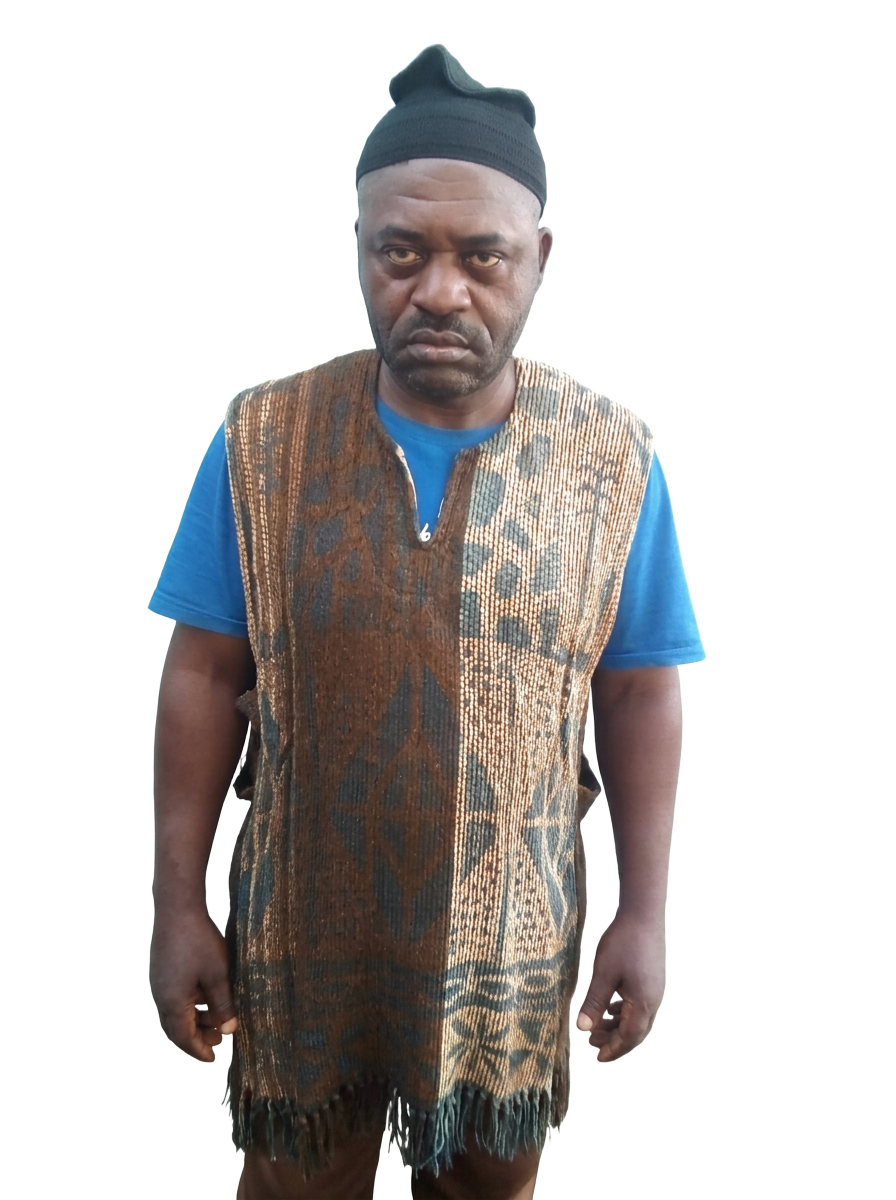
Taa Tamfu Chifu Divine Tamngwa
Secretary General
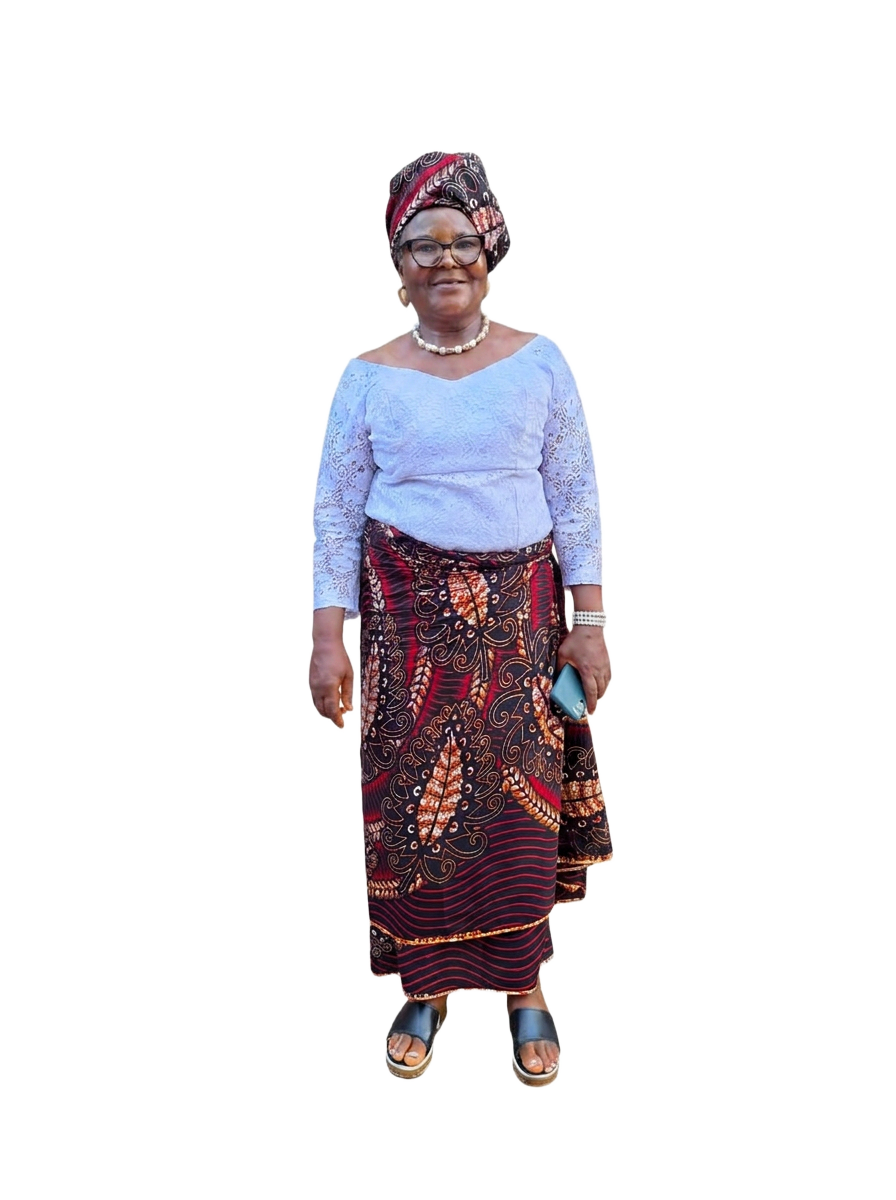
Mrs. Rose Kanjo
Women's Coordinator
Legal foundation
Constitution at a glance.
Name
Talla Development Association, abbreviated as TADA.
Legal status
A non-governmental, non-political, non-profit-making and non-religious socio-cultural and development association registered with the State of Cameroon under Ref. No. 012/AR/E.27/750/SAAJP of 12 August 2025 by the Senior Divisional Officer for Donga Mantung Division.
Headquarters & branches
Headquartered in Talla Village, Ndu Sub-Division, Donga Mantung Division, North West Region, Cameroon. Branches are named TADA “X” Branch, where X is the locality.
Motto & emblem
Motto: Unity Is Strength (Abee Yu Ngir). Emblem: a gong carried together with a fresh Nkeng branch — symbols of peace and unity.
Heritage symbols
Symbols of Talla and the Tang Clan.
Two enduring emblems carry the memory of our people — one carved into the land, the other woven into our oral tradition.
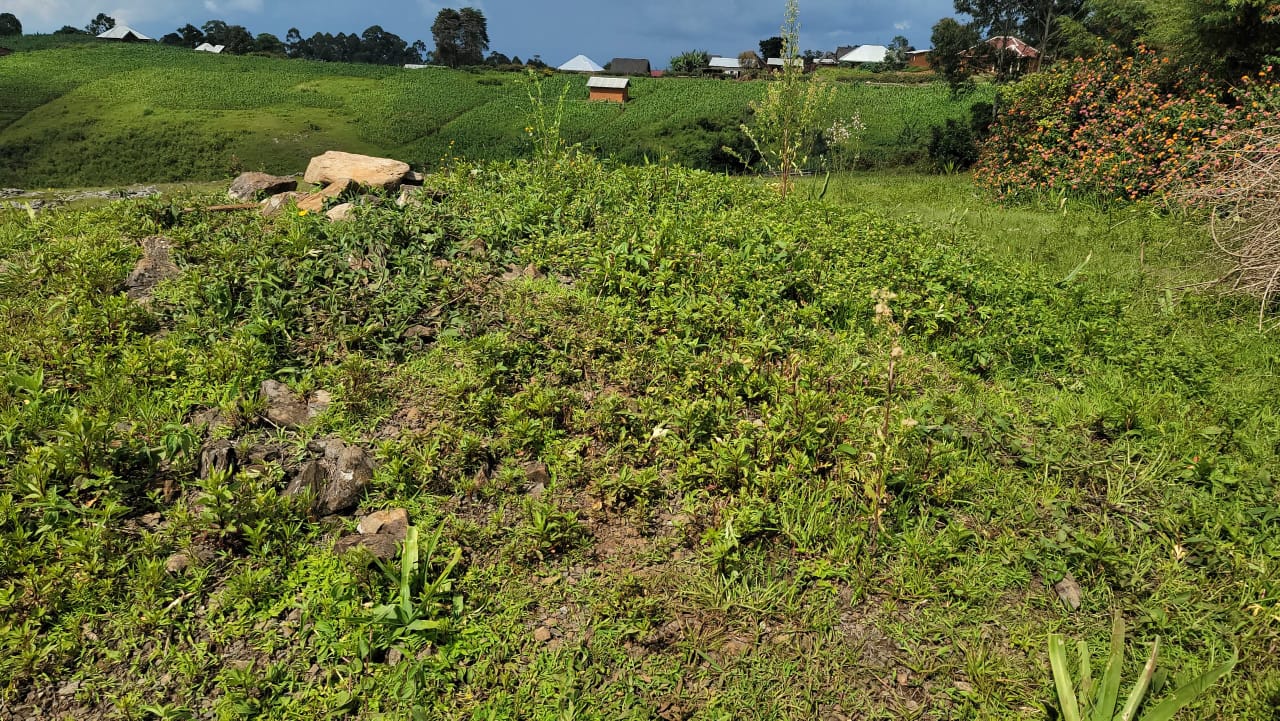
Mbajeng
Btuu Witang
The stone mound at Mbajeng — a sacred landmark that anchors the history of Talla and the Tang Clan in the soil of our homeland.
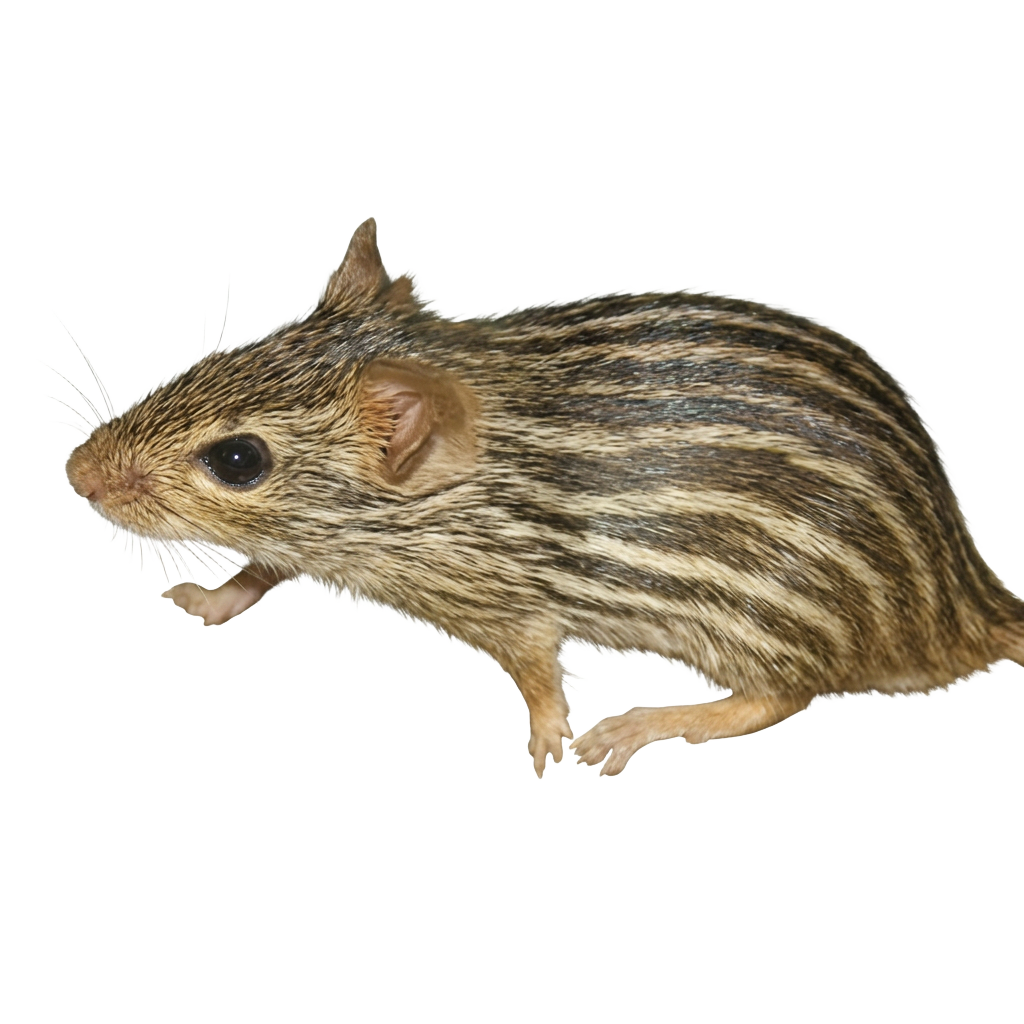
Totem
The Striped Mouse
A living emblem carried through generations of Tang Clan storytelling — small, resilient, and unmistakably ours.
Our values
What guides our work.
Belonging
Every voice in Talla matters — elders, women, youth and children.
Stewardship
We hold our heritage and our land in trust for those who come next.
Self-reliance
We organise our own resources first, then welcome partners who share our aims.
Transparency
Open meetings, open books, open invitation to question and contribute.
Objectives
What our constitution sets out to do.
Unity & solidarity
Promote unity, solidarity and peaceful coexistence among sons and daughters of Talla.
Cultural heritage
Preserve the sacredness of Talla's cultural and historical heritage to conserve the dignity and honour of our people.
Development initiatives
Engineer support or lead suitable development initiatives for the people and all quarters of Talla.
Partnership for welfare
Work in partnership with other cultural and development associations, the state and organisations with similar objectives to foster the general welfare of the people.
Development committees
Five domains of responsibility.
The constitution organises TADA's work into domain committees that handle specific village issues.
Economic and Marketing Domain
- Trade and Marketing
- Natural Forest Management and Tourism
- Modern farming methods
- Cooperative, savings and loan schemes
Human Development Domain
- Research
- Volunteerism
- Conflict resolution
- Human rights
- Community library
- Auditing
- New Information technologies
Infrastructural Development Domain
- Road infrastructure
- Rural Electrification
- Building construction
- Rural water supplies
Social Domain
- Educational development
- Health care activities and sanitation
- Sports
- Women Advancement
- Youth development
- Religion
Cultural Development Domain
- Tradition
- Cultural development